






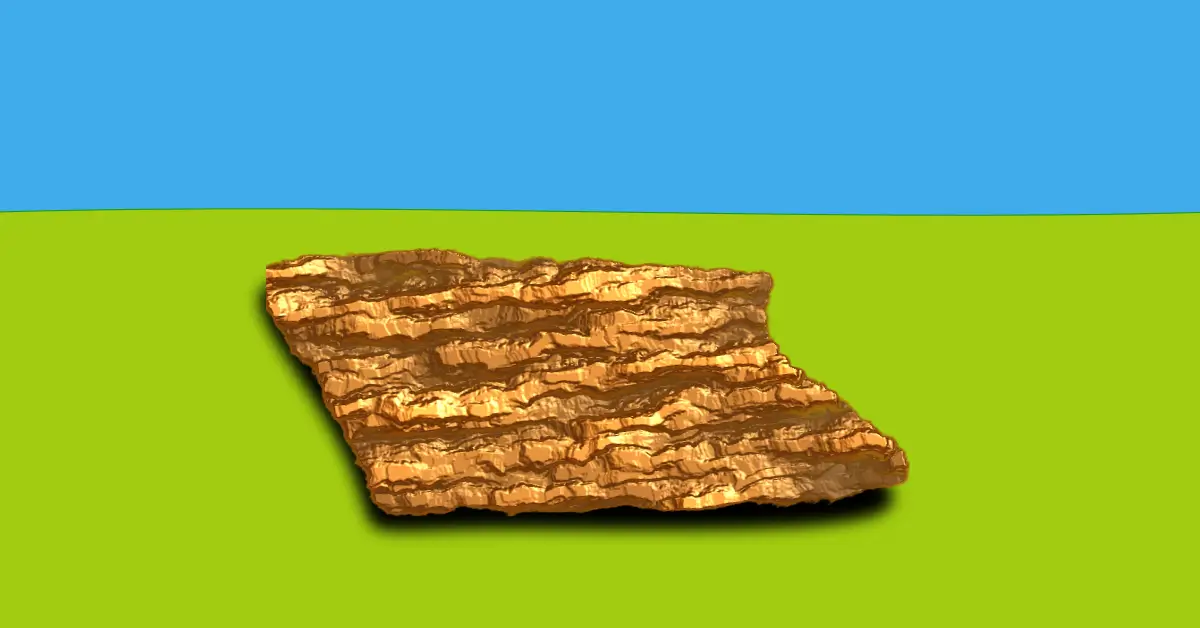
In a narrow sense, mushiro is a rug made of woven rice straw. Straw mushiro is mostly used in agricultural fields because the rice straw used as its material can be harvested in large quantities from paddy fields. Additionally, mats made of other materials such as rush, sedge, bamboo and zizania latifolia are commonly called mushiro as well.
It’s believed that mushiro was the primitive form of tatami mats, zabuton and futon.
Mushiro with universal value
How to call mushiro may vary depending on regions. It’s sometimes called “goza mushiro” (御座筵) or abbreviated as or “goza” (御座). Rush tend to be used for goza, as a material for goza, but there is no clear classification.
“Usuberi” (薄縁) is used for protection and cushioning by placing it on top of tatami mats or tokonoma (decorative alcove spaces with high formality). “Uwashiki” or “uwajiki” (上敷き) and “goza” are almost the same thing, but “uwashiki” or “uwajiki” is thinner than the usuberi and is made of several pieces sewn together.
The thin shape of mushiro resembles the tatami-omote used for the surface of tatami mats.
Mushiro are used for a variety of purposes by laying on tatami mats, floors or the ground. You rest by sitting or lying down on the laid one. In the days before tatami mats and futons were invented, mushiro were widely used as bedding.
In addition to people, it was also used as a base for placing agricultural products and tools.
It’s not known exactly when mushiro was born. Although mushiro have been around since ancient times, they are still used in a variety of situations today, such as rugs when going out and as materials for civil engineering and construction.
What is Tatami? Craftsmanship that breathes to this day

Zabuton and Tatami mats: The close relationship

What is Zabuton? A small and thin but deep-seated symbol of Japan

What is Futon? Magical and freely foldable bedding

Author: Takuya Nagata. Amazon Profile
Follow @nagatackleA novel writer and creator. Graduated from UCA, the UK’s university. Discussed Japanese minimalism in the senior thesis. Founder of “MINIRISM” (minirism), the art movement that contributes to the development of societies, such as ecology and lifestyle. Later opened the knowledge hub “The Minimalist.”
Once travelled to Brazil and trained football at CFZ do Rio (Centro de Futebol Zico Sociedade Esportiva) in Rio de Janeiro. Played soccer for the Urawa Reds (Urawa Red Diamonds), one of the biggest football clubs in Japan, and toured Europe. Retired at a young age and voyaged alone to England. Established careers as a journalist, football coach, consultant, etc. across Europe such as Spain. The founder of “Propulsive Football” (PROBALL), the world’s first-ever competitive mixed football, facilitating diversity and spirit for equal participation in society.
Knowledgeable in creative and technology fields as well. Launched the SPACE Culture & Entertainment hub “The Space-Timer 0.”
https://www.amazon.co.uk/Takuya-Nagata/e/B09LM3Z89P
https://x.com/nagatackle
https://www.instagram.com/nagatackle
https://www.facebook.com/takuya.nagata.794
https://www.linkedin.com/in/takuya-nagata-5730b069